
Confidence isn't something you're born with; it's a trained skill.
On 22 July, NAGs hosted performance and clinical psychologist Deena Cooper for a masterclass on managing competition nerves — and by the end of it, most of us were scribbling notes and mentally rehearsing how we'd use it at our next comp. For anyone who missed it, or wants to refresh some of the takeouts, we asked Deena to put her best insights in writing. Here they are, word for word.
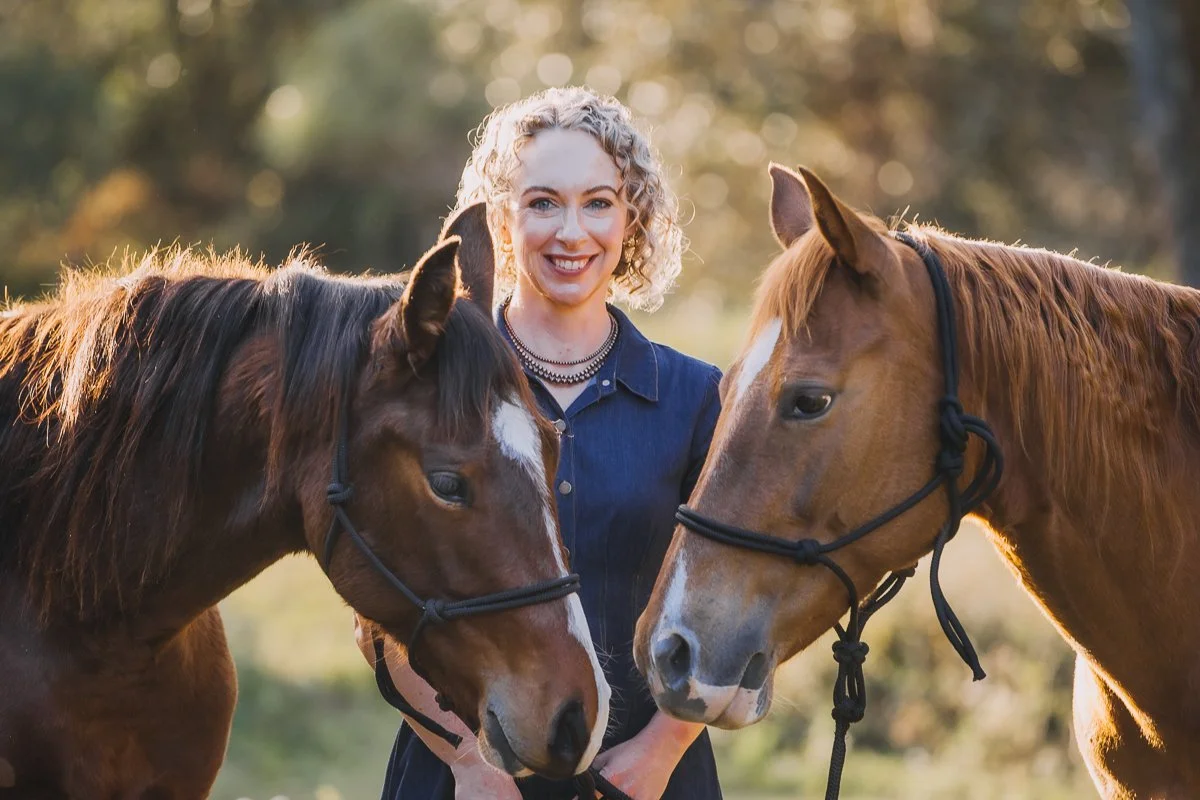
Deena is a registered Performance & Clinical Psychologist (AHPRA) who's ridden with the same nerves she now helps others manage.
What's the one mindset shift you saw click most for riders at the masterclass?
The shift for riders comes down to how they view competition nerves. Most riders assume that feeling anxious means something is wrong, that they aren't prepared, or that they're going to fail. So, they spend heaps of energy trying to force the anxiety away. But real progress happens when you stop fighting the feeling and change your relationship with it. Once you can accept those feelings as normal, or even welcome them as useful, you can channel that energy directly into where it will be most helpful: your riding and your focus. That's where the real level-up happens.
For someone stepping into the arena at a competition or the championships, what's a practical tool they can use in the warm-up if nerves start to take over?
If the warm-up gets overwhelming, you need quick, simple tools to anchor your brain right back in the moment.
Physical grounding check: Before mounting, pick a single touchpoint, like the feel of your seatbones in the saddle, the texture of your gloves, or the drape of your legs against the horse. When your brain starts spiralling into "what-ifs," bring all your awareness back to that one physical sensation for a reset.
The “next thing rule”: The moment your mind jumps ahead with the "what-ifs, “ gently pull it back and ask: What is the "next thing" I need to do right this second? It might be looking at the next letter, softening your hands, or just riding the current stride. Anxious minds love jumping into future disaster management, but you can only ever ride the stride you are on right now.
Is there a common mental habit you see amateur riders fall into that actually works against them at competition?
It's 100% the outcome goal trap. So many riders come to me focused only on a specific placing, a score, or reaching a certain level. There's nothing wrong with having big ambitions, but focusing on the end result works against you on competition day. Social media tells us to "just want it bad enough" or "believe you can and it will happen," but that mindset often backfires. This is because it draws our focus away from what actually influences our results on the day. If we focus on the ribbon or our percentage, we are not focusing on what actually helps us deliver our best performance, like our technique, our body position, or preparing for the next movement in the test. Learning how to unhook from those distracting thoughts will not only help us perform better, it will also reduce our anxiety because we feel more in control. Because, let's be honest, on competition day, there is so much out of our control! Things like judges' preference for a different style of horse, the weather, the arena environment, or how everyone else performs are pretty much out of our hands. But keeping our hands soft through that transition — we have direct control over that!
If a rider only takes one thing from the masterclass into the next competition, what would you want it to be?
I want them to remember that their mindset isn't set in stone. I often hear riders say things like "maybe I'm just an anxious person" or "I'll never be confident enough to ride at that level." Confidence isn't something you're born with; it's a trained skill. Think back to when you first learned a complex movement or transition. It wasn't easy at first; it took practice, time, and sitting through a bit of awkwardness (and frustration!) before it clicked. Managing competition nerves works the exact same way. If you treat every competition as another opportunity to practice your new skills, you can take the pressure off and increase your chances of performing better. No one can force a perfect test, but everyone can focus on showing up, and backing their strategy. And when you do, you've just taken another solid step toward becoming the kind of competitive rider you've dreamed of.
---
About Deena
Deena Cooper is a registered Performance & Clinical Psychologist (AHPRA) with a unique edge: she is an active competitive rider who understands the saddle as well as she understands the science. Having navigated her own path from performance anxiety to confidence, Deena combines personal experience with evidence-based psychological strategies to help riders of all disciplines. She focuses on helping equestrians conquer nerves, recover confidence after setbacks, and build the "mental muscle" required for peak performance. Based in Australia, Deena works with riders via Telehealth, offering 1:1 coaching, as well as in-person and online masterclasses designed to turn anxiety into your competitive advantage.
Website: www.deenacooper.com.au | Instagram: @deenacooperpsych
Interview by Yolanda Delport, NAGs Socials